
This article will introduce the topic, explaining the roles and significance of both public defenders and private criminal defense attorneys in the legal system, and why it's important for a defendant to understand their differences when choosing legal representation. The legal system is complex, and navigating it requires expert guidance from individuals well-versed in criminal law. Two primary options for defendants are public defenders and private criminal defense attorneys, each with unique roles. Understanding these roles is crucial because defendants' freedom and future may hinge on the quality of their legal representation. Therefore, knowing the differences between these two types of legal representation can significantly impact a defendant's experience within the judicial system, altering the ultimate trajectory of a case and ensuring constitutional rights remain preserved.
Understanding the Roles
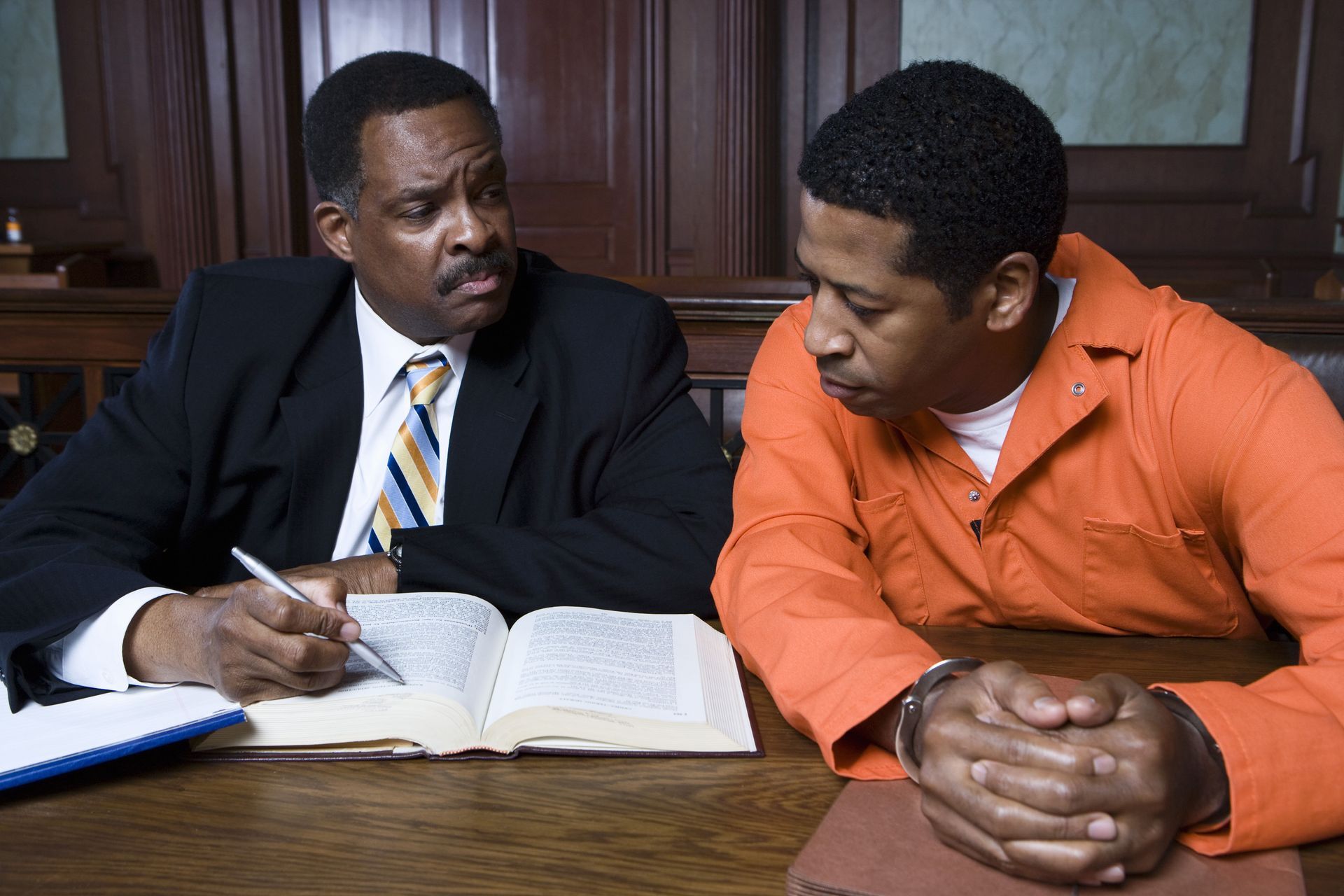
Public defenders are court-appointed attorneys who provide legal defense services to individuals unable to afford private counsel. Their primary responsibility is to ensure that defendants receive a fair trial, protecting their constitutional rights. Public defenders often manage heavy caseloads, which can affect the amount of time they spend per client. Despite this, they play a vital role in maintaining the integrity of the legal system by providing access to justice for all, regardless of financial status. There are 3 million people in jail and prison today, far outpacing population growth and crime, according to the NAACP. This statistic highlights the critical need for effective legal representation for underprivileged defendants facing trial.
Private criminal defense attorneys are hired directly by defendants to represent them in court. Unlike public defenders, they have the ability to select their cases and manage their workloads more effectively, often providing a more personalized legal service. Their responsibilities extend beyond courtroom representation to include pre-trial investigations, plea bargaining, and strategic planning. Many defendants prefer private attorneys due to the perceived higher level of attention and tailored legal strategies they can provide. However, the cost of hiring a private attorney can be significant, influencing the decision-making process for many defendants.
The day-to-day duties of public defenders and private criminal defense attorneys can differ significantly. While public defenders are often overburdened with numerous cases, private criminal defense attorneys can be more selective, allowing them to devote more specific attention to fewer clients. This distinction impacts how each attorney prepares for cases, as public defenders may have less time for comprehensive case research compared to their private counterparts. Both types of attorneys are foundational to the American judicial system. They ensure that each individual receives a fair trial, which is a cornerstone of democracy and justice. Together, these roles collaborate to uphold the constitutional right to defense.
Qualifications and Hiring Process
Public defenders are required to hold a law degree and pass the bar exam in the state where they intend to practice. They often gain experience through internships or clerkships in public defense offices during their education. Many states also require additional certifications or training specific to public defense work. The demanding nature of the role means that public defenders must also possess strong trial skills and a commitment to protecting clients' rights. Despite their qualifications, they often face challenges due to limited resources and heavy caseloads.
Like public defenders, private criminal defense attorneys must earn a law degree and pass the bar exam. Experience is crucial, as reputation and proven track records can impact their hiring process and client base. Many private criminal defense attorneys seek additional certifications in specialized fields such as criminal law or trial advocacy to enhance their credentials.
Public defenders are typically appointed to cases by the court when a defendant cannot afford to hire private criminal defense attorneys. Once appointed, public defenders are obligated to represent the client throughout the criminal proceedings. This process aims to ensure that all individuals have access to legal defense, irrespective of their financial situation. Clients seeking private representation typically initiate the hiring process by researching potential candidates and scheduling consultations. They may consider factors such as cost, attorney experience, and specialization. This process allows clients to exercise control over their choice of legal representation. Ultimately, the caliber of representation affects both legal proceedings and their resolution, determining the future of the defendant.
Cost Considerations
Public defenders are funded through government budgets, which can be a pivotal factor in the quality of representation they provide. Their compensation often pales in comparison to their private counterparts, resulting in high turnover rates in some offices. Budget constraints can limit the resources available for case preparation, affecting the ability to deliver comprehensive legal defense. The disparity in funding between public defense and prosecution has prompted calls for increased investment to ensure fair trials. This systemic issue underlines the necessity of reform in public defense funding models.
Hiring private criminal defense attorneys involves navigating a range of fee structures that can vary significantly based on factors like case complexity and attorney reputation. Common models include hourly rates or flat fees. The costs associated with private representation can be substantial, particularly in extended or complex cases. Despite the expense, many clients believe the tailored strategies offered by private attorneys justify the investment. Financial considerations are a significant factor when choosing between public defenders and private criminal defense attorneys. While public defenders do not charge clients, private representation usually imposes fees that can influence the financial stability of defendants. Probono services and legal aid initiatives aim to bolster these organizations and provide resources to keep up with the demand.
Caseload and Service Quality
Public defenders often face overwhelming caseloads, managing hundreds of cases simultaneously. This workload can hinder their ability to devote adequate attention to each client's case preparation and strategic development. The reduced time per case raises concerns about achieving the optimal defense for every client represented. It highlights the necessity for public defenders to utilize efficient time management. Private criminal defense attorneys generally have more control over their caseloads, allowing them to provide a more dedicated focus per client.
This flexibility means they can prioritize cases based on complexity and client needs, potentially leading to more thorough case preparation. For public defenders, limited availability due to caseload constraints can result in compromised preparation and limited client interaction. Meanwhile, private criminal defense attorneys often offer greater availability, allowing more thorough case investigation and planning. Ultimately, the level of preparation stemming from availability can determine the trajectory and success of the legal strategies implemented in court.
Choosing between a public defender and a private criminal defense attorney depends on your financial resources, the complexity of your charges, and the amount of individualized attention your case requires. While public defenders are dedicated public servants, private attorneys offer the distinct advantage of controlled caseloads and tailored litigation strategies. When your future, family, and freedom are on the line, you need aggressive, reliable advocates who understand every nuance of the courtroom. Trust the experienced legal team at Sodomsky & Nigrini to protect your rights and build a powerful defense today.
Facing criminal charges can leave you feeling completely overwhelmed by the complex and aggressive nature of the judicial system. You should not have to navigate this stressful process alone or settle for a rushed defense that treats you like a number on a spreadsheet. A personalized legal strategy allows for comprehensive independent investigations, the hiring of expert witnesses, and meticulous cross-examination preparation that can completely alter the outcome of your trial. Our dedicated firm takes the time to uncover every piece of exculpatory evidence, protecting your constitutional rights at every turn. Contact us immediately to schedule your consultation and secure the robust legal defense you deserve.





Share On: